What is Linux?
Linux is an open-source operating system based on Unix. It is widely used in servers, cloud platforms, DevOps, and CI/CD environments. Most web servers run on Linux because it is stable, secure, and free.
Why Linux is Important for Developers?
- Most production servers run on Linux
- Used in cloud platforms like AWS, Azure, and GCP
- Foundation of DevOps and CI/CD pipelines
- Powerful command-line tools
- Open-source and customizable
Linux File System Structure
Linux follows a hierarchical file system structure. Everything in Linux is treated as a file.
- / – Root directory
- /home – User home directories
- /bin – Essential system commands
- /etc – Configuration files
- /var – Logs and variable data
- /usr – User programs and utilities
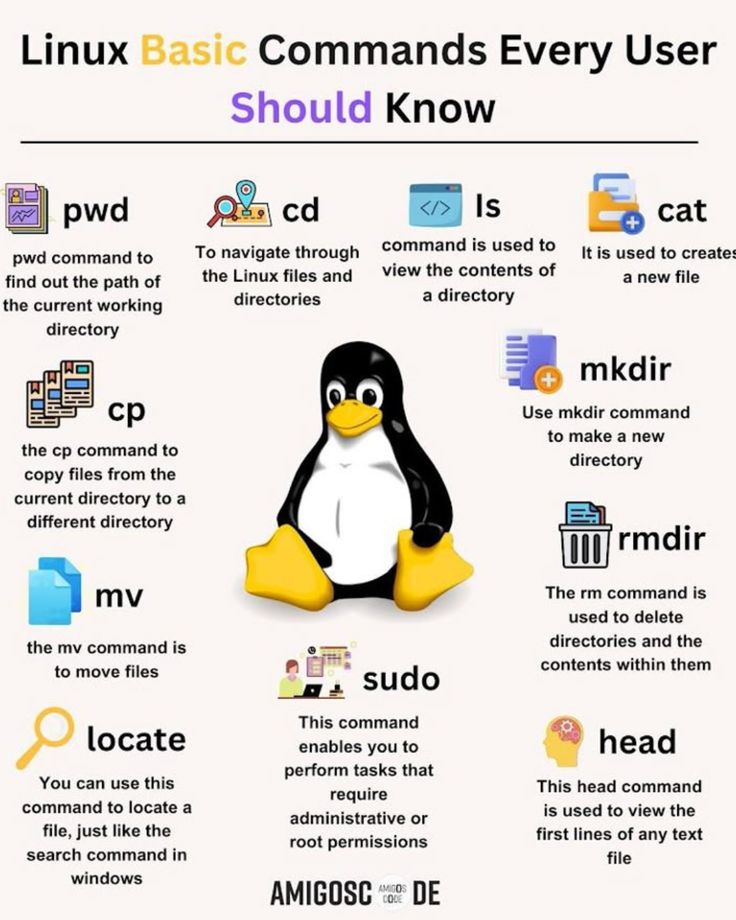
Basic Linux Commands
- ls – List files and directories
- pwd – Show current directory
- cd – Change directory
- mkdir – Create a directory
- touch – Create a file
- rm – Delete a file
- cp – Copy files
- mv – Move or rename files
- clear – Clear terminal screen
File Permissions in Linux
Linux uses permissions to control who can read, write, or execute a file.
- r – Read
- w – Write
- x – Execute
Permissions are assigned to:
- Owner
- Group
- Others
Linux in Web Development
Linux is commonly used to host web applications. Web servers like Apache and Nginx run on Linux systems. Developers often use Linux commands while deploying websites and applications.
Linux in CI/CD
Most CI/CD pipelines run on Linux machines. Tools like GitHub Actions, Jenkins, and Docker use Linux environments to build, test, and deploy applications automatically.
Advantages of Linux
- Free and open-source
- Highly secure
- Stable and reliable
- Large community support