HTML Guide
What is HTML?
HTML (HyperText Markup Language) is a markup language used to structure content on the web. It tells the browser what each part of the content represents, such as headings, paragraphs, links, images, and forms.
Why HTML is called a Markup Language?
HTML uses tags to mark up content. These tags describe the meaning and structure of content rather than performing logic like programming languages.
Basic Document Structure
<!DOCTYPE html>
<html lang="en">
  <head>
    <meta charset="UTF-8">
    <title>Page Title</title>
  </head>
  <body>
    Content goes here
  </body>
</html>
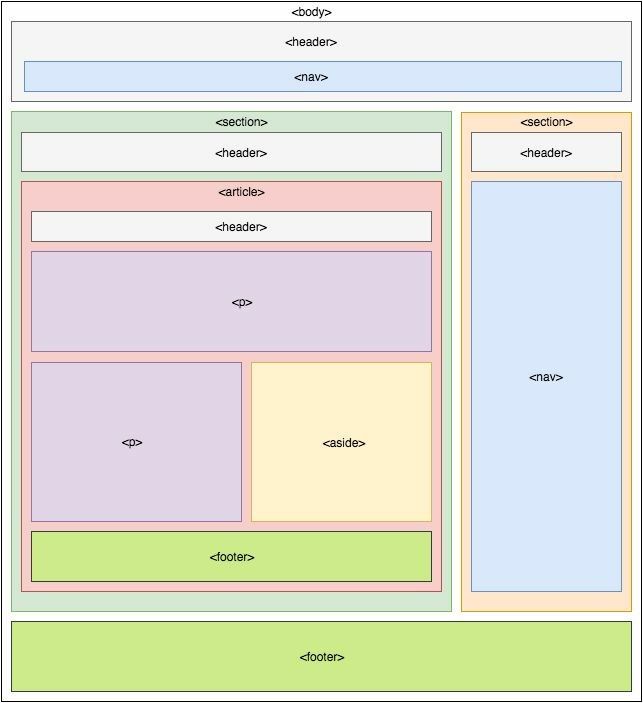
Semantic HTML Tags
Semantic tags clearly describe the purpose of the content they contain. They improve readability, SEO, and accessibility.
- <header> – Page or section header
- <nav> – Navigation links
- <main> – Main content of the page
- <section> – Group of related content
- <article> – Independent content
- <footer> – Footer section
Common HTML Elements
- <h1> to <h6> – Headings (use one <h1> per page)
- <p> – Paragraph
- <a href=""> – Hyperlink
- <img src="" alt=""> – Image (alt is required)
- <ul>, <ol> – Lists
- <form> – User input forms
Importance of HTML
HTML is the foundation of every website. Without HTML, CSS and JavaScript cannot work. A strong understanding of HTML is essential for frontend development.
CSS (Cascading Style Sheets)
What is CSS?
CSS is used to style and design web pages. It controls colors, fonts, spacing, layout, and responsiveness.
Why CSS is Important?
- Makes websites attractive
- Improves user experience
- Separates content from design
CSS Syntax
selector {
  property: value;
}
Types of CSS
- Inline CSS
- Internal CSS
- External CSS
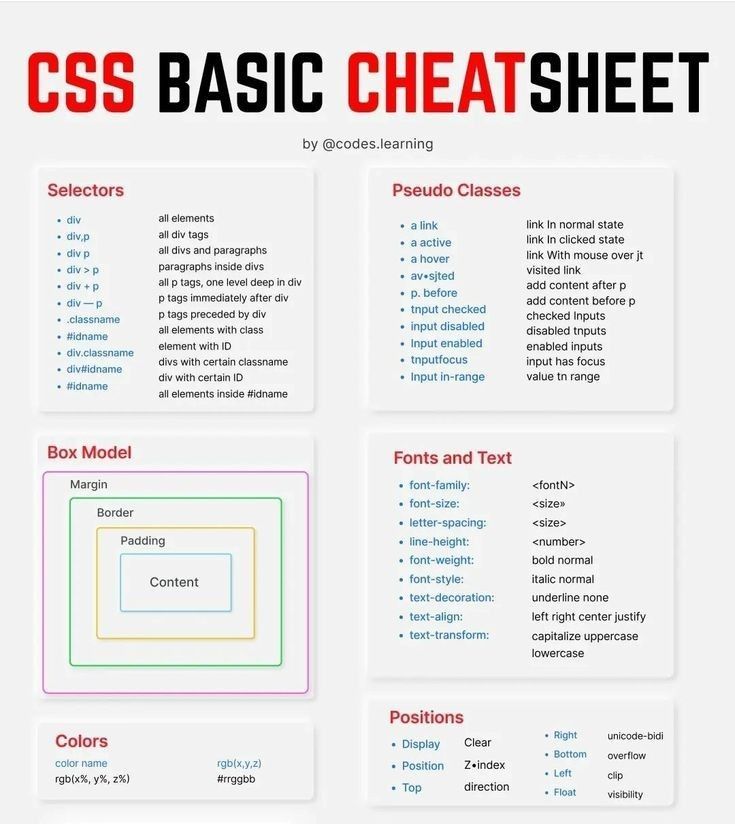
Common CSS Selectors
- Element selector
- Class selector (.class)
- ID selector (#id)
- Attribute selector
- Pseudo-classes (:hover)
CSS Box Model
The box model consists of margin, border, padding, and content.
Layout Techniques
- Flexbox
- Grid
JavaScript
What is JavaScript?
JavaScript is a programming language used to make websites interactive. It allows dynamic behavior like form validation, animations, and API calls.
Why JavaScript is Important?
- Adds interactivity to websites
- Handles user actions
- Used in frontend and backend
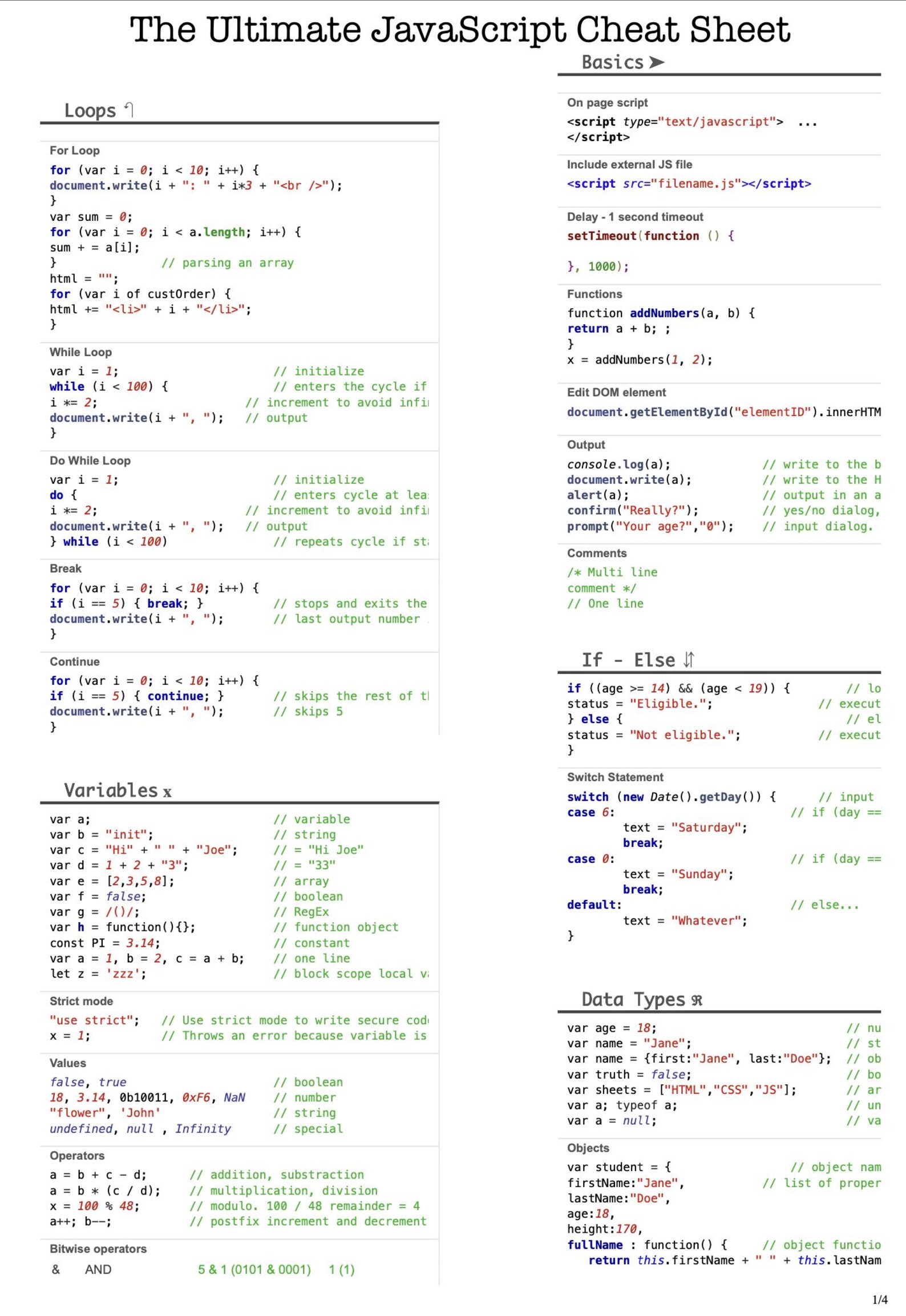
Basic JavaScript Example
<script>
  alert("Hello World");
</script>
What JavaScript Can Do?
- Manipulate HTML and CSS
- Handle events (click, submit)
- Validate forms
- Fetch data from servers
JavaScript in Web Development
JavaScript works with HTML and CSS to create modern web applications. Frameworks like React and Vue are built using JavaScript.